
4th Edition of Psychiatry and Addiction World Conference 2026
Speakers - pawc2026
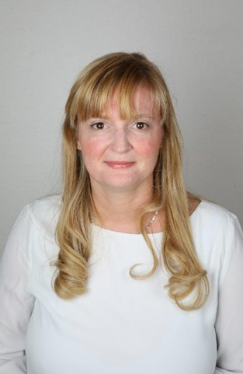
Gabi Gubel
Gabi Gubel
- Designation: Psychiatric University Hospital Zurich (PUK)
- Country: Switzerland
- Title: Redefining Recovery in Severe and Persistent Mental Illness a Qualitative Expert Study on Palliative Psychological Care
Abstract
Background: Inpatient psychiatry is largely oriented toward cure and symptom remission. For people with severe and persistent mental illness (SPMI), such as treatment-resistant schizophrenia, bipolar disorder, severe depression, personality disorders and dementia, full recovery in the sense of cure is often not attainable, which calls for a broader understanding of recovery centred on quality of life, dignity and autonomy. Palliative-psychological care offers such a perspective but is barely established in psychiatry. This study examined which contents, goals and limits a palliative-psychological approach can define for inpatient care, and how an integrative, interdisciplinary concept can be developed.
Methods: A qualitative, exploratory design was used. Eight semi-structured expert interviews with professionals from psychiatry, psychology, nursing and hospice care, plus a family caregiver, were analysed using Mayring's qualitative content analysis with a combined deductive-inductive category system, supported by intercoder checks and communicative validation.
Results: Palliative-psychological approaches were barely established, with fragmented, individual-dependent efforts and conceptual confusion, as palliative was often misread as end-of-life care only. Key barriers were staff shortages, placement and financing gaps, professional resistance and ethical dilemmas, including autonomy, advance directives and chronic suicidality. Success factors were interdisciplinary collaboration, continuity and relationship-based care, family integration, and psychosocial interventions such as biography work and music therapy.
Conclusions: A shift from cure toward quality of life, dignity and autonomy reframes recovery for severe and persistent mental illness and appears both necessary and feasible. Findings informed a seven-module integrative concept covering structured indication, existential and psychotherapeutic support, family integration, daily structure and continuity, spiritual and cultural support, an interdisciplinary team with supervision, and cross-sector transition management, supporting participatory piloting with evaluation.
The 4th Edition of the Psychiatry and Addiction World Conference, PAWC 2026, is a not-to-be-missed intern ...
Read More>>
Organizer
